The War in Iran Is Putting Industrial Packaging to the Test
Until recently, many companies chose their packaging almost out of habit. Metal, plastic, and little else. But when an international crisis blocks one of the world’s most important trade routes, priorities shift abruptly.
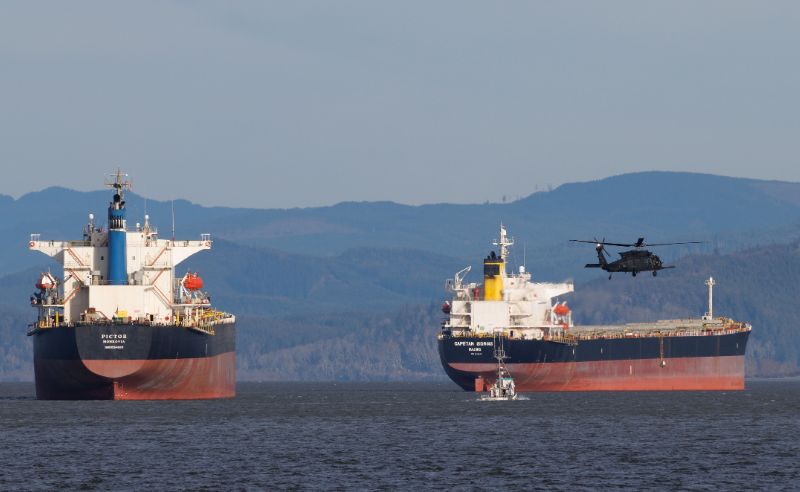
The blockade of the Strait of Hormuz is affecting global trade, and the consequences are already being felt in industrial sectors across Europe.
Costs are rising. Lead times are getting longer. There is a shortage of raw materials.
The problem isn’t just oil
When we talk about a crisis in the Middle East, the first thing that springs to mind is energy. And yes, the impact on natural gas, oil, and diesel is clear.
But the impact goes far beyond that.
The costs of key materials used in industrial packaging are also rising:
- steel
- aluminium
- tinplate
- plastics such as PE, HDPE, PP or LDPE
For many companies, this translates into something very specific:
- unforeseeable delays
- stock shortages
- increasingly tight margins
- greater reliance on external suppliers
And this is where ECO Kraft drums really start to make sense.
Time to look for alternatives
Companies that continue to rely exclusively on metal or plastic drums are far more vulnerable to the current volatility.
That is why more and more industries are turning to alternatives that are more stable, lighter and more sustainable.
ECO Kraft drums, made from recycled cardboard and fibre, offer several significant advantages in the current climate.
Renewable resources available in Europe
Unlike many materials linked to oil or particularly volatile international markets, recycled fibre comes from abundant, locally available resources.
This reduces reliance on external sources and brings greater stability to the supply chain.
Domestic production and more reliable deliveries
At Joaquín Alberto SA, we manufacture our drums in Spain.
Working with domestic production enables us to reduce our reliance on international markets and offer more reliable deliveries, even at times of logistical strain and rising costs such as those we are currently experiencing.
Less weight, lower transport costs
A cardboard drum is lighter and easier to handle than a metal or plastic one
This means lower fuel consumption, reduced logistics costs and greater ease in moving goods at a time when transporting goods is becoming increasingly expensive.
Less iron, easier to recycle
Another advantage of Eco-Kraft drums is that they are designed to facilitate recycling and reduce their environmental impact.
As it contains fewer metal components, separating the materials at the end of its useful life is much simpler. This streamlines recycling processes and promotes more efficient management of industrial waste.
Furthermore, the use of recycled fibre and cardboard helps to reduce reliance on materials with a higher energy footprint, such as steel or certain petroleum-based plastics.
True sustainability: recycling 100% of materials
For years, many companies have viewed kraft drums as sustainable packaging; now, with Eco-Kraft, sustainability is a reality. Recycling 100% of the raw material used to make them is easy – there’s no longer any excuse.
Now many companies are beginning to see them as a practical choice.
Reducing reliance on critical raw materials, better controlling costs and ensuring more stable deliveries has become a real priority.
And Kraft barrels are well suited to that scenario.
Sources:
https://blogs.uoc.edu/economia-empresa/es/estrecho-ormuz-conflicto-comercio-global-logistica/