Waste Collection Points with Cardboard Drums
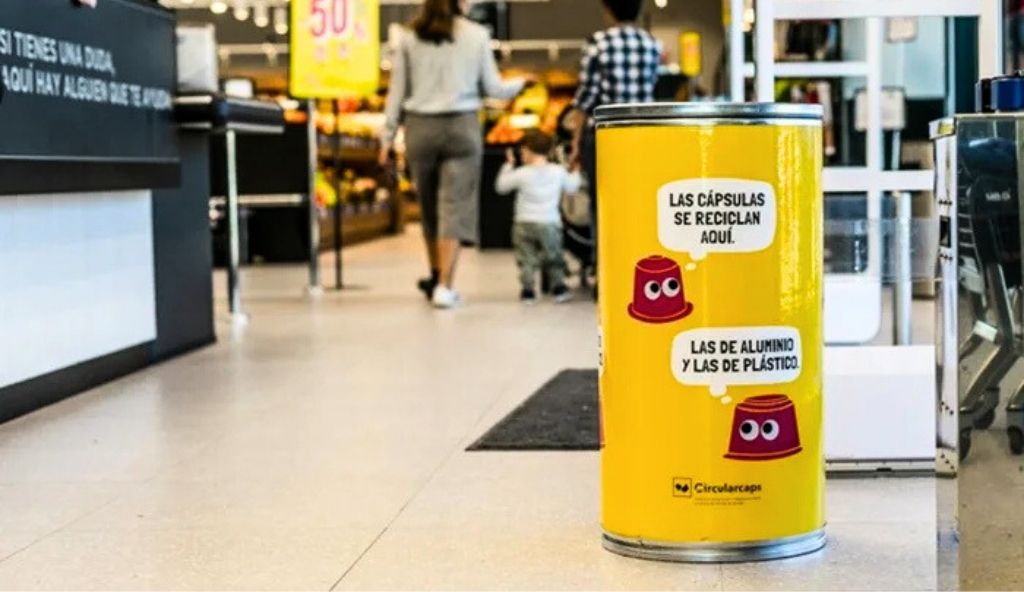
The separate collection of certain types of waste requires specific solutions. Not all materials can be managed using standard bins. In offices, shops and shared spaces, cardboard bins are used to channel this waste in an orderly and recognisable manner.
Their presence is based on practical criteria. They are lightweight, easy to place and allow each type of waste to be clearly assigned a use, avoiding confusion.
Role of drums in selective collection
The cardboard drum acts as an intermediate element within the selective collection system. It does not replace the final waste manager, but it allows for the prior collection to be organised in an orderly manner. It facilitates the concentration of scattered waste and helps to keep it separate until it is removed.
Its format also facilitates clear signage. Each drum can be used for a single type of waste and incorporate visible indications that reduce errors in disposal and improve correct separation at source.
Common waste items at these collection points
Used coffee capsules
Used coffee capsules are one of the most common types of waste in work environments. Their consumption is constant, and collecting them in a single container allows them to be sent to specific recycling channels without mixing them with other waste.
Batteries
Batteries are frequently found in offices and shared spaces. Having a dedicated collection point prevents them from ending up in bins and facilitates their management in accordance with current regulations.
Light bulbs and fluorescent tubes
Light bulbs and fluorescent tubes require separate collection due to their fragility. A stable, well-located container reduces the risk of breakage during temporary storage.
Plastic caps
Plastic bottle caps are generated continuously and often go unnoticed. Collecting them in one place makes it easier to send them to recycling initiatives focused on this material.
Office waste
Office waste, such as used paper, empty pens and small consumables, requires its own system. A specific bin helps to keep things tidy without interfering with the pace of work.
Single-use razors
Due to their mixed composition, single-use razors do not fit into conventional collection streams. Having a separate collection point prevents them from being disposed of incorrectly.
Disused mobile phones
Unused mobile phones quickly pile up due to the regular replacement of devices. Centralising them allows them to be managed properly, whether for recycling or component recovery.
Location and everyday use
These points work best when they are part of the user’s usual route. They do not require large spaces or complex structures. The key is that their use is intuitive and consistent. A simple system promotes cleaner and more consistent collection.