How to Implement Customer-Oriented Textile Recycling Systems
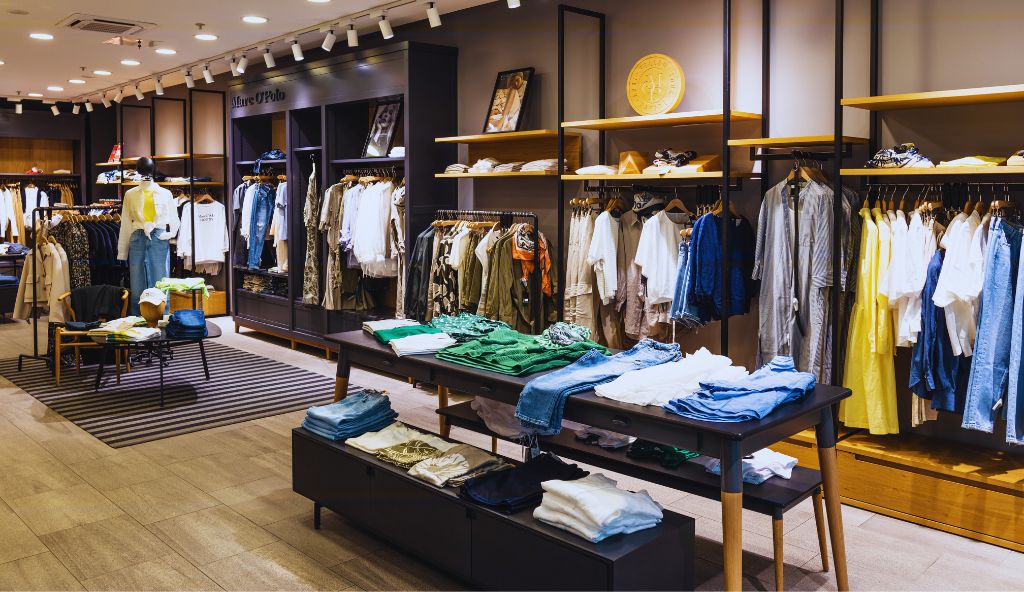
Implementing customer-oriented textile recycling systems requires more than just placing a container in the shop. It involves analysing how customers move, how they interpret information, and what level of trust the initiative conveys to them.
When the system is well designed, recycling becomes a simple, almost automatic gesture that reinforces the shopping experience and the brand’s environmental credibility. If it is not, it goes unnoticed or creates friction.
Clear signage and intuitive use
When a customer encounters a recycling point in the shop, they should know instantly what to do. They do not read long texts or look for explanations. The system has to guide them on its own.
A clearly marked container allows you to directly indicate what type of garments are accepted and how to deposit them. The information should be visible, brief, and consistent with the brand’s visual language. This reduces errors and avoids constant intervention by staff.
Integration into the customer journey
The collection point should not interrupt the shopping experience. Its location is key. It should be present without getting in the way.
It works best when placed in natural passageways, such as the entrance or exit, or near the cash register. This way, customers can easily spot it and use it at the end of their visit. Proper integration prevents accumulation and improves the overall perception of the service.
Scalability in a network of shops
If you manage several shops, the system should work the same in all of them. Changing the container model or the way it is used causes confusion and operational problems.
A uniform system facilitates staff training and customer recognition. The same type of container, with variations in size if necessary, allows for a consistent experience across the entire network.
Credibility of environmental commitment
Customers value concrete gestures. A visible and well-implemented recycling point reinforces the brand’s message of environmental responsibility.
The textile sector is one of the largest generators of waste in the European Union. Showcasing real solutions in-store adds context and credibility to environmental commitments.
An effective textile recycling system is visible, consistent, and easy to use in any shop in the network. It reinforces the environmental message with concrete facts and prevents the commitment from remaining a generic statement.
In a context where textile waste continues to grow in Europe, offering clear solutions at the point of sale brings real value to the customer and the brand. According to the European Environment Agency, textile waste management is one of the main environmental challenges facing the sector, and initiatives aimed directly at the end consumer are key to reducing its impact.